
Cricket Injury Rehabilitation.
Clinical Return-to-Play for Cricketers Who Want to Come Back Stronger.
Cricket injury rehabilitation at Cricket Matters exists to answer one question clearly: When can I trust my body again — and why did this break down in the first place?
This is not symptom management. It is clinical, cricket-specific rehabilitation designed to bridge the gap between pain relief and match-day performance.
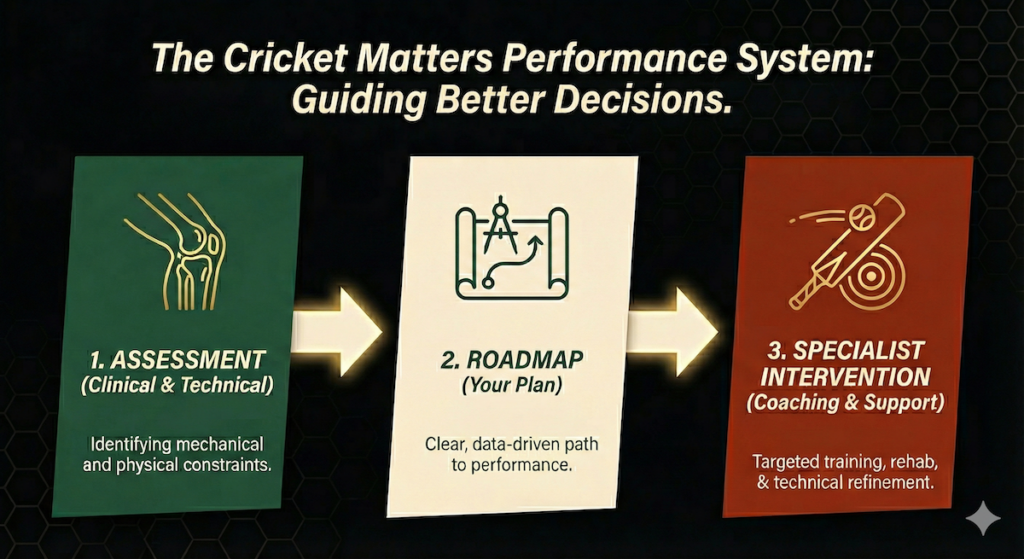
Every rehabilitation journey at Cricket Matters begins with a mandatory Injury Assessment. Because returning to cricket without understanding why the injury happened is how players end up stuck in cycles of breakdown, doubt, and lost seasons.
Why Cricket Injury Rehab So Often Fails.
The Clinic-to-Pitch Gap
Most cricket rehabilitation fails for a simple reason: it ends too early.
Pain settles. Strength improves. Clearance is given. Cricket resumes. And within weeks — sometimes days — the problem returns.
This happens because most rehab models stop at “no pain,” not “match readiness.”
Cricket is not a controlled environment. It is chaotic, repetitive, and unforgiving under fatigue. Bowling spells compound load. Fielding demands sudden deceleration. Batting punishes even small mechanical leaks.
If rehab does not prepare the body for those demands, the injury hasn’t been solved — it has just been quietened.
At Cricket Matters, rehabilitation is not about getting you comfortable. It is about getting you ready.
Injury in Cricket Is a Load Problem, Not a Location Problem.
Pain tells you where the system failed — not why.
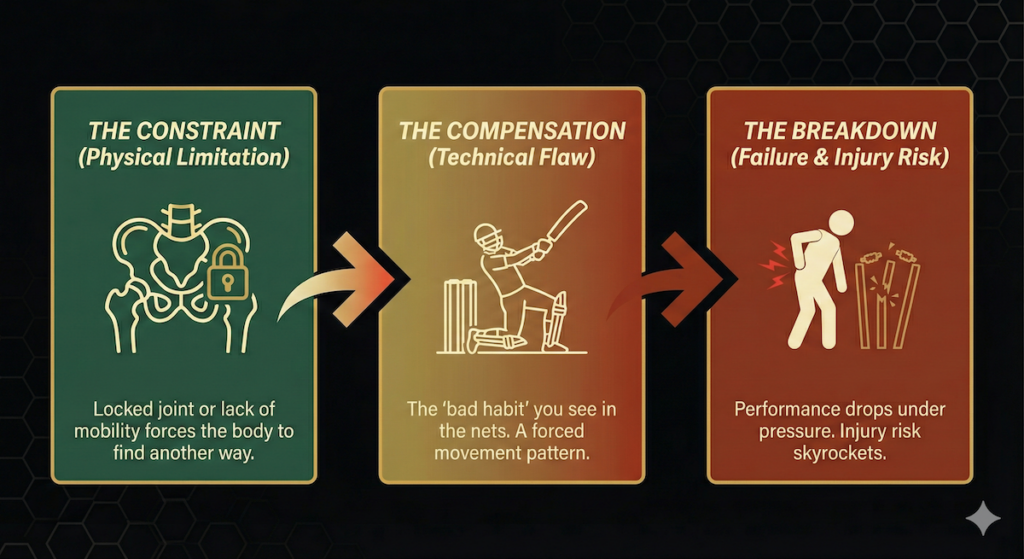
Cricket injuries emerge when physical demand repeatedly exceeds tissue capacity. Load accumulates quietly, often away from the painful area, until something gives.
The back, hamstring, or shoulder is rarely the cause.
It is usually the victim.
This is why treating isolated tissues without understanding the wider system leads to recurrence. The same forces remain. The same compensations persist. Only the tolerance window changes.
Our rehabilitation approach is built around identifying:
- What load your body is currently tolerating
- Where force is leaking through the system
- Which tissues are absorbing stress they were never designed to carry
Until those questions are answered, treatment is guesswork.
Common Cricket Injury Stress Tests We See.
We don’t treat injuries by label — but cricket applies pressure in predictable ways. Certain areas fail more often because of how the game loads the body.
Lumbar Stress & Fast Bowling.
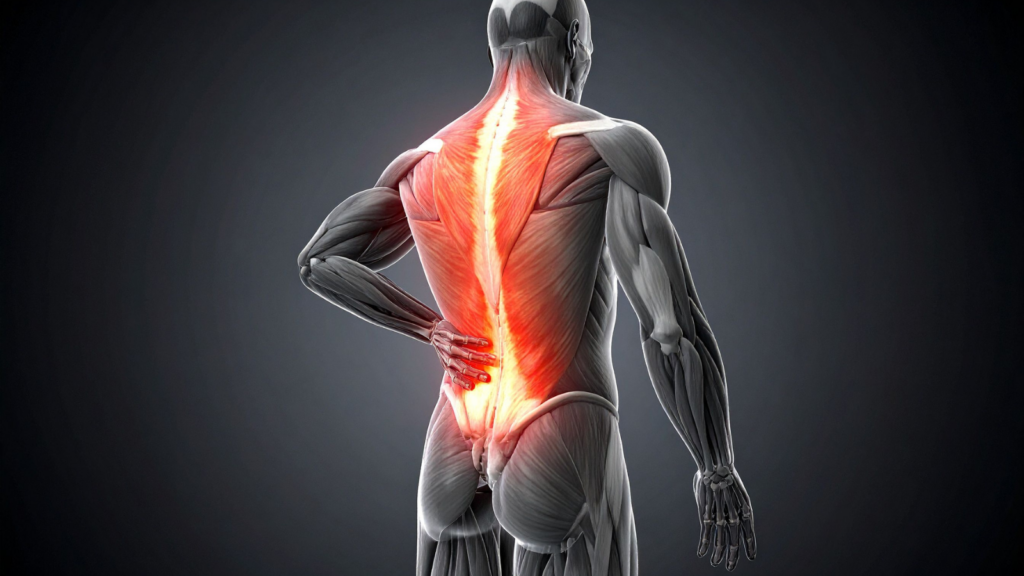
Lower back pain in cricketers is rarely a “back problem.” It is often the result of poor force transfer through the hips and trunk, combined with cumulative bowling workloads. When sequencing breaks down, the lumbar spine becomes the stress sink. Rehabilitation here focuses on restoring load sharing across the system — not simply settling symptoms.
Shoulder Load: Bowling & Throwing.
The shoulder carries a heavy “Movement Tax” in cricket. Repeated throwing and high-velocity bowling place massive asymmetrical loads through the joint. However, shoulder pain is often a symptom of poor sequencing in the trunk and hips. When the “engine” (the legs and core) fails to provide power, the shoulder is forced to overwork to maintain pace or distance. We ensure the shoulder isn’t just mobile, but robustly supported by the kinetic chain that feeds it
Soft Tissue Injuries: Hamstring & Calf.
Hamstring and calf injuries frequently occur during sprinting, deceleration, and second efforts in the field. These injuries are rarely about flexibility. They are about eccentric braking capacity — the body’s ability to absorb force rapidly under fatigue. If deceleration mechanics are not restored and tested, reinjury is not a surprise. It is expected.
Cervical Strain & Thoracic Rotation (Neck).
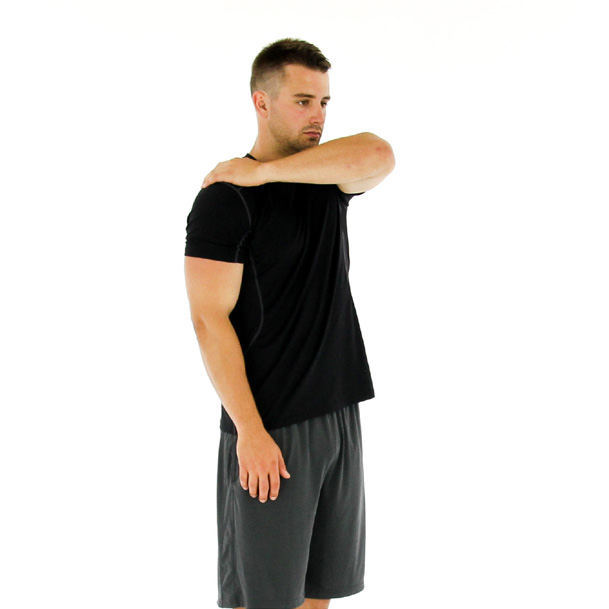
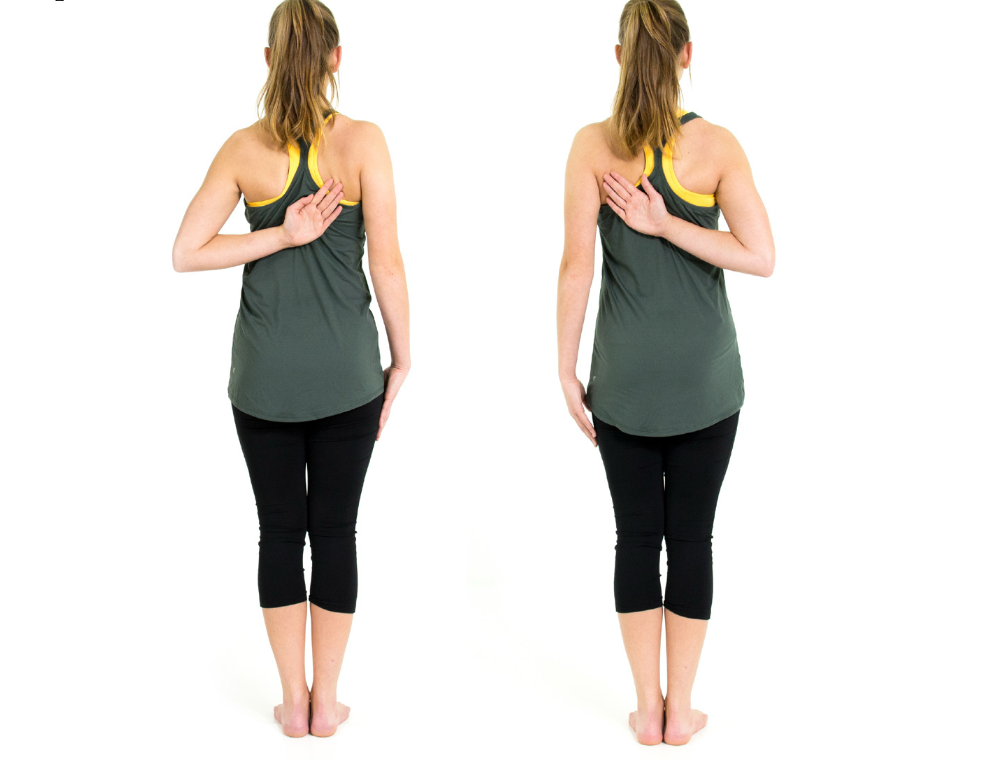
Neck discomfort is often a “compensation” for a stiff mid-back (thoracic spine). Whether you are straining to keep your eyes level from a side-on batting stance or whipping your head through at the point of release in bowling, your neck relies on thoracic mobility to rotate. If the mid-back is “locked,” the neck must over-rotate to find the target. We don’t just treat the cervical symptoms; we restore the thoracic rotational permission required to take the mechanical strain off the neck.
Lead-Leg Bracing & Force Absorption (Knee).
Knee pain in cricketers is frequently a “victim” of what is happening at the ankle and hip. During the front-foot landing in fast bowling or the low pick-up in fielding, the knee must absorb vertical ground reaction forces several times your body weight. If the ankle is restricted or the lead hip lacks stability, the knee is forced to provide the mobility or “give” it wasn’t designed for. Rehabilitation here focuses on reclaiming joint alignment and eccentric control, ensuring the knee is protected by the joints above and below it, rather than punished by them.
Ankle Mobility & The Front-Foot Brace (Ankle).
In fast bowling, the ankle must withstand forces up to 10-15 times your body weight at the point of “Front Foot Contact.” If the ankle joint lacks the necessary range (dorsiflexion), that energy cannot be absorbed and instead “shocks” the shin and knee. For fielders, a lack of lateral ankle stability leads to “leaks” in change-of-direction speed. Our rehab focuses on restoring the structural integrity of the ankle to ensure it acts as a powerful brace, not a point of failure.
Rehab Is Not Rest — It Is Re-Integration.
Cricket injury rehabilitation at Cricket Matters is not passive.
You do not disappear from the game while you heal. Instead, we control your exposure to it.
Rehabilitation feeds directly into:
- Modified strength and conditioning
- Controlled fielding demands
- Adjusted technical work where appropriate
- Gradual re-introduction of bowling or batting loads
This ensures that when you return, you are not relearning trust under pressure — you are resuming work that has already been prepared for.
You don’t return to cricket all at once. You rebuild access to it.
Where the System Gets Tested.
Age removes margin. Injury management systems either adapt — or fail.
I don’t design this system for theoretical athletes. I use it myself.
I’m in my forties and still playing competitive cricket — opening the batting and bowling leg-spin at club and international Masters level. At this stage of the game, there is nowhere to hide.
Recovery is slower. Margins are smaller. Fatigue exposes everything.
If rehabilitation is sloppy, the game punishes it immediately. If preparation is incomplete, breakdown follows. That reality is built into this system.
It is designed to survive real overs, real fatigue, and the realities of performing when most players are managing decline — not progress.
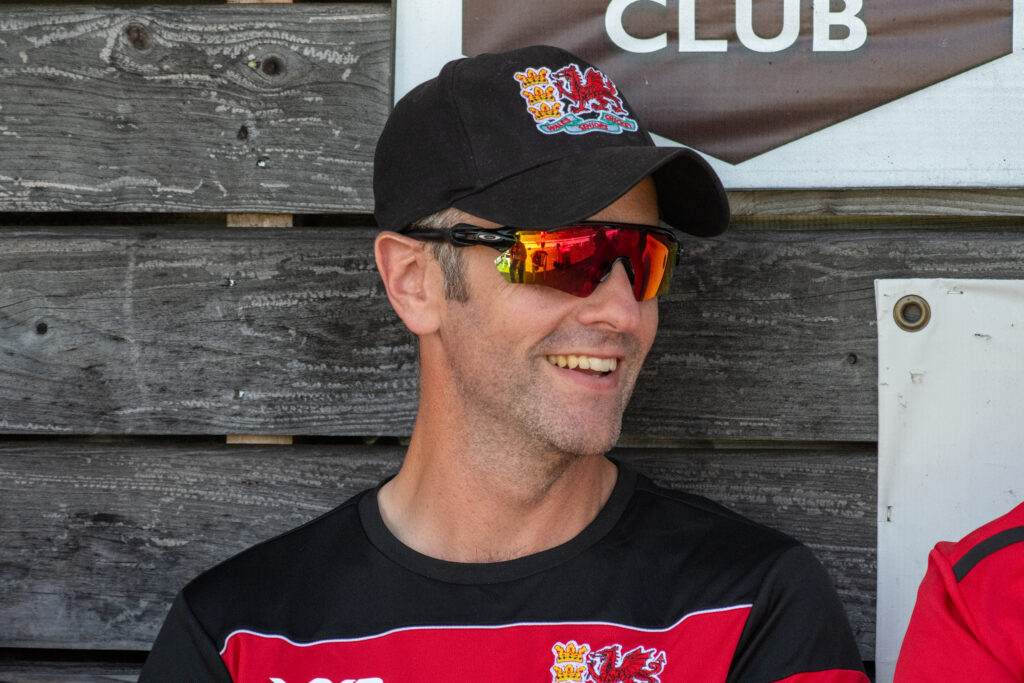
Injury Resilience Under Physical Stress.
Decision-making collapses when physical capacity fails. When you are worried about whether your hamstring will “ping” during a second effort or if your lower back will “pinch” at the point of release, your tactical focus is already compromised. We call this the Psychological Brake—a protective neuro-muscular response where the brain limits your power and speed because it perceives a lack of structural integrity.
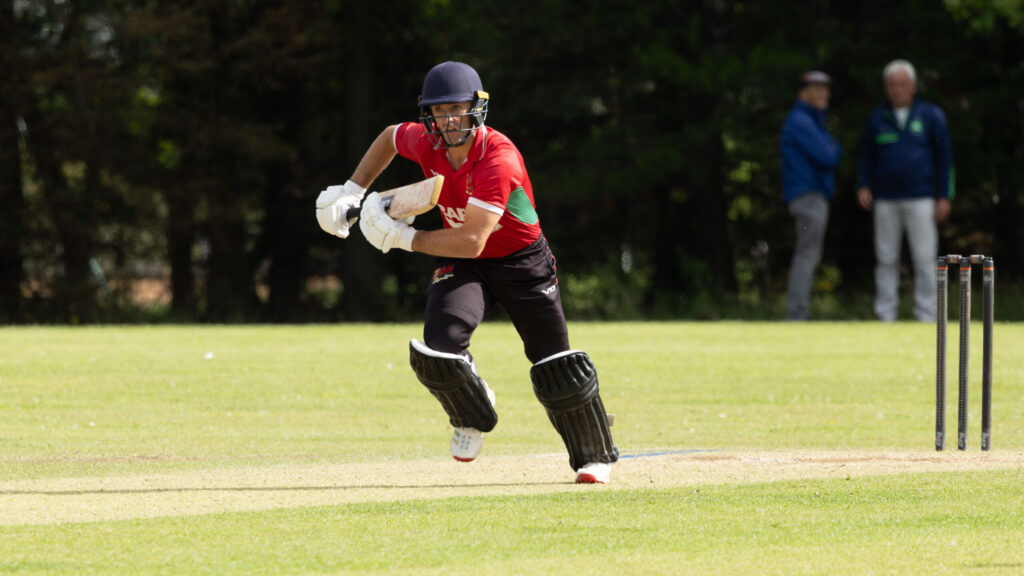
“Confidence is a physical output. If your body doesn’t trust the joint, your brain won’t let you play at 100%.”
At Cricket Matters, mental resilience is not trained in isolation—it emerges when movement, capacity, and mechanics are aligned. By restoring Neuro-Muscular Trust, we remove that internal hesitation.
- Tactical Clarity: When the “noise” of pain is removed, the brain is free to process line, length, and match situation.
- Mechanical Certainty: Confidence returns when you know your “brace” is solid and your sequencing is robust under fatigue.
- The Bridge to Performance: We don’t just rehab the tissue; we rehab the athlete’s willingness to go “all out” without fear of breakdown.
Who This Is For.
This service is for cricketers — and parents — who want clarity instead of guesswork.
- Players dealing with recurring injuries.
- Players unsure whether to push on or step back.
- Players cleared to play, but not confident in their body.
- Parents who want reassurance that potential is being protected, not rushed.
If you’ve “rehabbed” an injury before but never fully trusted it again, this system exists for you.
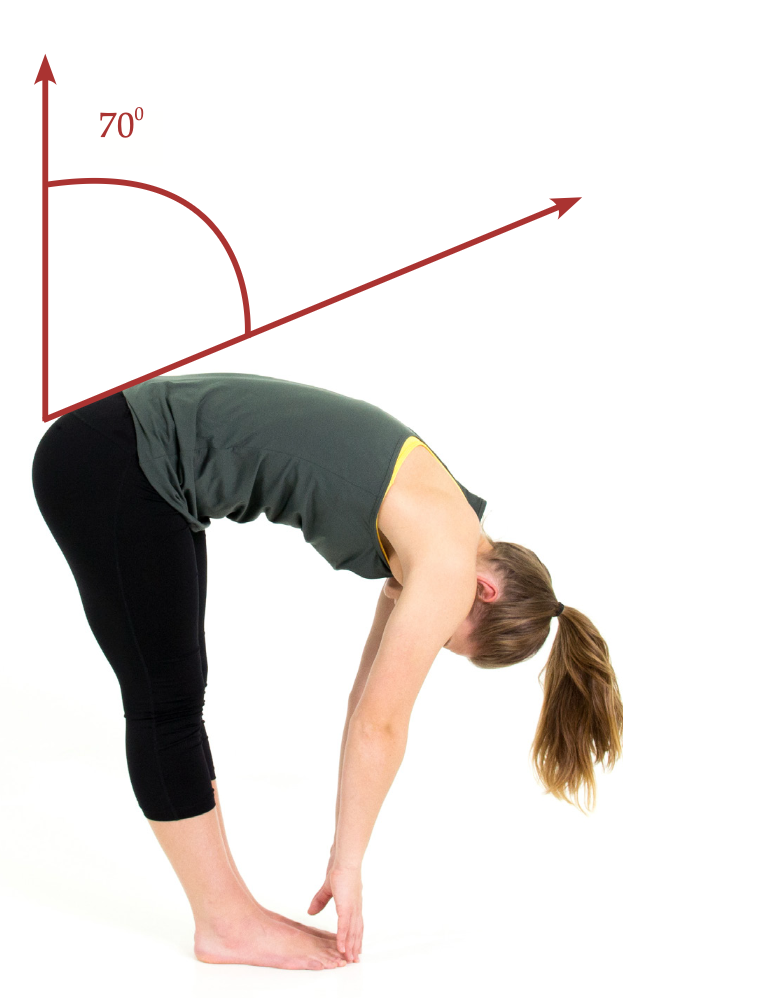
Clinical Oversight in South Wales Cricket.
South Wales is a primary hub for cricket medicine, anchored by the medical team at Glamorgan CCC and specialists at Pro Sports Medicine and Spire Cardiff Hospital.
Cricket Matters provides the clinical bridge between acute medical care and return-to-pitch performance. While regional specialists manage primary joint and soft tissue diagnostics, our facility at the Cwmcarn Hub focuses on Mechanical Durability Engineering.
We specialise in identifying the Physical Constraints—such as restricted thoracic rotation or hip internal rotation—that lead to common cricket injuries like lumbar stress fractures and shoulder impingement. We work to ensure the injury does not return under match-day fatigue.
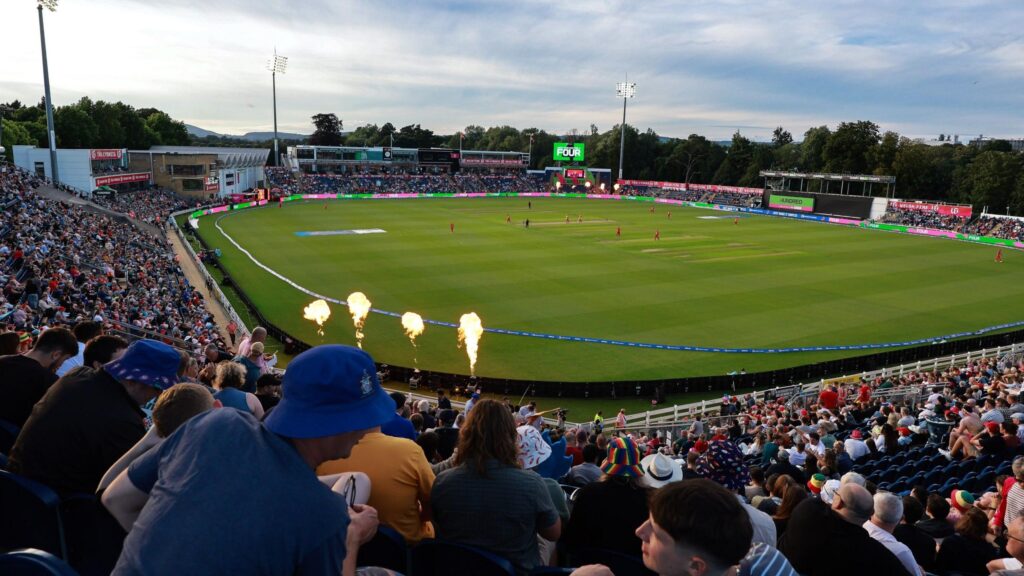
Accountability & Oversight.
Rehab decisions affect careers. They are not delegated.
At most clinics, you are passed to a generalist junior therapist who may not understand the specific rotational torque of a leg-spinner or the eccentric load of a fast bowler. At Cricket Matters, Injury Rehabilitation is led and overseen personally by James Breese, our founder and Performance System Architect.
James operates at the precise intersection of three critical disciplines, ensuring your recovery is never handled in isolation:
| Discipline | Credential & Impact |
| Clinical Therapy | Level 4 Sports & Remedial Therapy (LCSP Assoc). Clinical expertise to diagnose tissue failure and manage the pathology of the injury. |
| Technical Coaching | ECB Cricket Coach. A deep understanding of how your specific technique (e.g., your bowling action or batting stance) contributed to the breakdown. |
| Physical Performance | High-Performance S&C. The ability to build the strength and “braking capacity” required to ensure the injury does not return under match-day fatigue. |
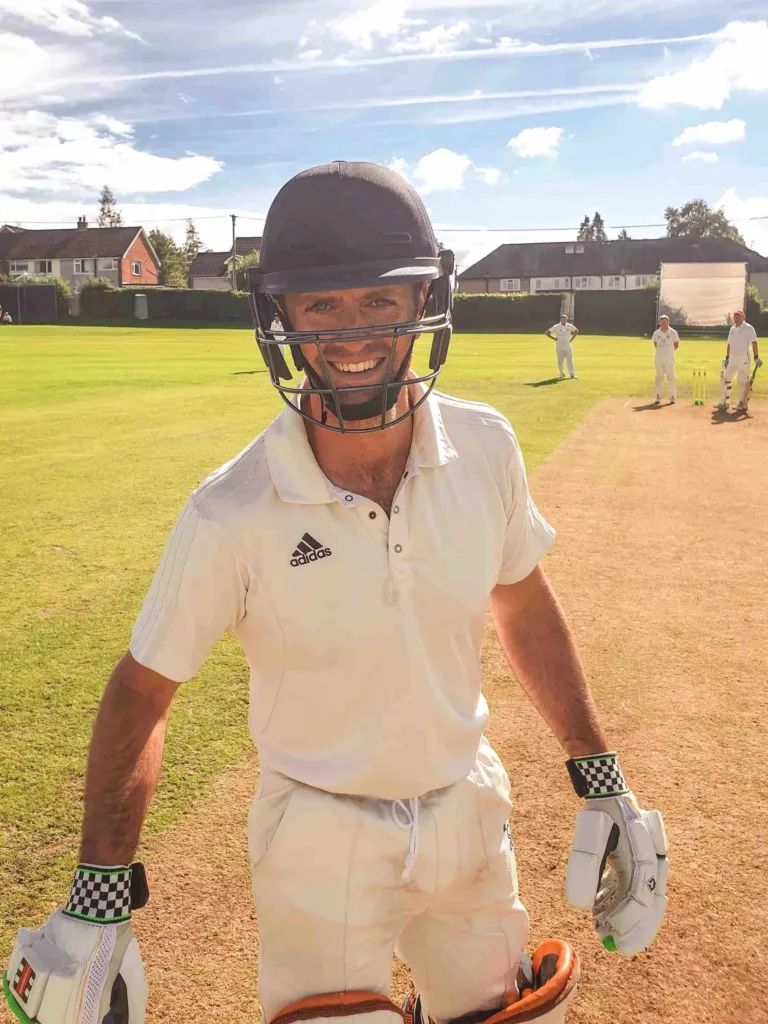
A Systemic Approach to Recovery.
All Injury Rehabilitation begins with an Injury Assessment. This ensures we are treating the driver of the injury, not just the symptoms.
We do not just “treat the pain” and send you back to the nets. Every rehabilitation decision is made inside our wider performance system.
- Integrated Data: Your clinical progress is cross-referenced with your historical workload and technical data.
- Performance Oversight: Because James is the architect of the entire system, he ensures that Step 1 (Rehab) is perfectly sequenced with Step 2 (The Roadmap) and Step 3 (Technical Return).
- Total Accountability: From the initial Injury Assessment to the moment you bowl your first match-over, the responsibility for your “Structural Permission” sits with one person.

Start with an Injury Assessment.
All cricket injury rehabilitation at Cricket Matters begins with an Injury Assessment.
This is the professional standard that protects your health, your time, and your long-term availability.
Return properly — don’t leave your recovery to chance.
Need Direction? If you’re unsure whether injury assessment is appropriate, a free 20-minute clarity call will guide you.
Choose Your Starting Point
Start in the Right Place.
Every cricketer starts with a free clarity call — to figure out together what makes sense next, before training, coaching, or assessment begins.
Twenty minutes. Free. No commitment.
Already a Client? Manage or Book Sessions Here